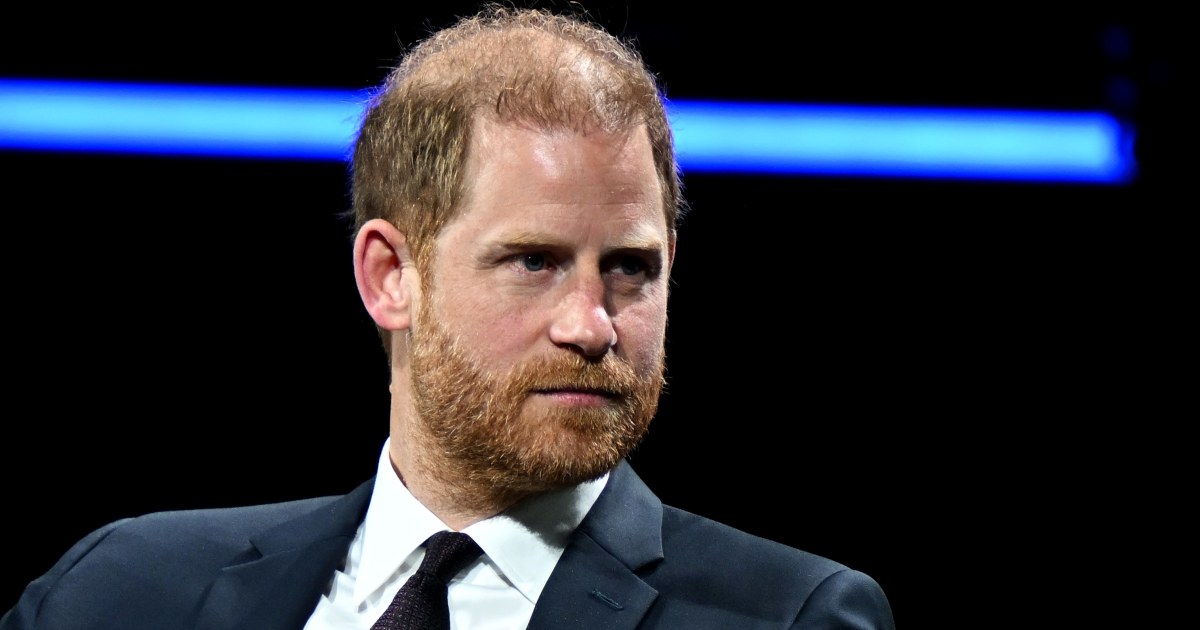
Prince Harry Denies Sentebale Defamation Amid Governance Questions: A Deep Dive into the High-Stakes Legal Battle
In a development that has captured significant public attention, Prince Harry, the Duke of Sussex, finds himself at the center of a high-profile legal battle. His charity, Sentebale, which he co-founded in 2006 to support children and young people affected by HIV/AIDS in Lesotho and Botswana, has filed a defamation lawsuit against him and former trustee Mark Dyer. This legal action casts a spotlight not only on the personal relationship between the Duke and an organization close to his heart but also on the intricacies of charity governance and the serious implications of reputational damage. The Sentebale Sues Prince Harry: Defamation Claim Over Media Campaign, has sparked a vigorous denial from the Duke, highlighting a complex and deeply personal dispute.
The Sentebale Defamation Lawsuit Harry saga began when the charity lodged a Part 7 defamation claim in the UK High Court on March 24. This standard route for libel or slander suits in the UK names "Duke of Sussex, Prince Harry" and "Dyer, Mark" as defendants. The core of Sentebale's allegation is grave: they claim the Duke and Dyer orchestrated a "coordinated adverse media campaign" dating back to a period around March 2025. This alleged campaign, according to the charity, has had a profoundly damaging effect on its operations, severely harmed its reputation and relationships with partners, and even triggered a wave of online abuse directed at its leadership.
The Heart of the Allegations: Coordinated Media Campaign and Its Impact
The claim of a "coordinated adverse media campaign" is arguably the most serious aspect of Sentebale's lawsuit. In the digital age, a targeted media campaign can swiftly erode public trust, deter potential donors, and destabilize an organization's mission. For a charity like Sentebale, which relies heavily on public perception and philanthropic support to deliver vital services, such a campaign could be catastrophic. The lawsuit specifically details how the alleged actions disrupted day-to-day operations and hurt the charity's standing amongst its key stakeholders.
Furthermore, the charity asserts that the campaign led to direct consequences for its leaders, manifesting as online abuse. This highlights a growing concern in the non-profit sector where staff and trustees, often dedicated individuals, become targets of hostility in the wake of public disputes. Such harassment can lead to significant stress, burnout, and make it difficult to attract and retain talent in leadership positions. Sentebale's decision to pursue legal action, a costly and resource-intensive endeavor, underscores the gravity with which they view these alleged damages.
It's important to note that the charity has stated its legal costs are covered by external funding. This detail is crucial, as it preempts potential criticism that donor funds, intended for charitable work, are being diverted to a legal battle. While external funding mitigates direct financial drain, the indirect costs—in terms of management time, reputational strain, and diverted focus—remain substantial for any non-profit embroiled in such litigation.
Prince Harry's Stance: Categorical Denials and Counter-Questions
Prince Harry, through his spokesperson, has issued a robust and unequivocal denial of all allegations. He and Mark Dyer "categorically" reject the claims, describing them as "offensive and damaging." This firm stance sets the stage for what is expected to be a contentious legal process. In defamation law, the burden of proof initially lies with the claimant (Sentebale) to demonstrate that the statements made were defamatory, referred to them, and caused serious harm. The defendants would then typically present defenses such as truth, honest opinion, or public interest.
Beyond the outright denial, Prince Harry's camp has also raised questions about the expenditure on the lawsuit. While Sentebale confirms external funding, the Duke's representatives appear to be scrutinizing the broader financial implications and necessity of pursuing such a case. This line of questioning could potentially shift some public focus to the charity's decision-making process in initiating the lawsuit, even if the direct funds aren't from its charitable pot. The very public nature of this dispute, further explored in Charity vs. Royal: Sentebale's Defamation Suit Targets Prince Harry, ensures continued scrutiny from all angles.
Beyond the Lawsuit: Unpacking Sentebale's Governance Challenges
This Sentebale Defamation Lawsuit Harry does not exist in a vacuum. It follows a tumultuous period for the charity, particularly a public breakdown in relations with its then-chair, Dr. Sophie Chandauka, in 2025. This internal strife prompted an investigation by the Charity Commission, the independent regulator of charities in England and Wales. The Commission's findings, while not alleging systemic bullying, pointed to "weak governance" and criticized the public handling of the situation by all parties involved.
What does "weak governance" imply for a charity?
Weak governance in a charitable organization can manifest in several ways, often leading to internal disputes and reputational damage:
- Lack of Clear Policies: Absence of robust guidelines for conflict resolution, trustee responsibilities, and communication protocols.
- Ineffective Board Oversight: A board that fails to adequately challenge management, monitor performance, or ensure adherence to the charity's mission and values.
- Poor Communication: Internal silos and a breakdown in transparent, honest dialogue among trustees, staff, and stakeholders.
- Conflicts of Interest: Inadequate management of situations where personal interests might influence decision-making.
- Insufficient Risk Management: Failure to identify, assess, and mitigate potential risks to the charity's operations, finances, and reputation.
The Charity Commission's critique serves as a vital reminder that robust governance is the bedrock of public trust in any non-profit. It emphasizes the importance of independent board members, clear lines of accountability, and effective dispute resolution mechanisms to prevent internal disagreements from escalating into public scandals and legal battles. For charities, maintaining impeccable governance is not just a regulatory requirement but a fundamental commitment to their beneficiaries and donors.
Implications for Charity Governance and Public Trust
The Sentebale case offers valuable insights for other charitable organizations navigating similar challenges. Here are some key takeaways:
- Prioritize Conflict Resolution: Develop clear, confidential, and effective internal processes for resolving disputes among trustees and leadership. This can prevent issues from spilling into the public domain.
- Strengthen Board Independence: Ensure a diverse board with independent members who can offer objective oversight and challenge without fear or favor. This is crucial for maintaining integrity and avoiding perceived conflicts of interest.
- Transparency in Decision-Making: While not every internal discussion needs to be public, major decisions, especially those involving legal action or significant operational changes, should be underpinned by transparent processes and documented reasoning.
- Reputation Management Strategy: Have a crisis communication plan in place. For charities, reputation is paramount. How an organization responds to accusations or disputes can significantly impact its ability to fundraise and operate.
- Adhere to Regulatory Guidance: Regularly review and comply with guidance from charity regulators (like the Charity Commission in the UK). Their findings, even if not punitive, highlight areas for essential improvement.
Ultimately, high-profile legal disputes like the Sentebale Defamation Lawsuit Harry can erode donor confidence across the sector. Donors seek assurance that their contributions are utilized effectively and that organizations are managed with integrity. When public trust is shaken, the ripple effects can be felt by countless other charities striving to make a difference.
Conclusion: A High-Stakes Legal Battle and Its Wider Echoes
The defamation lawsuit filed by Sentebale against Prince Harry and Mark Dyer represents a significant legal and public relations challenge for all involved. With Sentebale alleging a damaging media campaign and Prince Harry issuing categorical denials, the High Court is set to delve into a complex narrative of allegations, denials, and the weighty issue of reputational harm. Beyond the immediate legal implications, this case highlights crucial lessons about charity governance, the devastating impact of public disputes on non-profits, and the paramount importance of maintaining public trust. As the legal proceedings unfold, the world will be watching, not just for the outcome of this specific case, but for its broader implications on how charities navigate internal conflicts and safeguard their vital missions.